Articles for tag: Baroque MusicMusi HistoryMusic NotationMusic TheorySheet Music

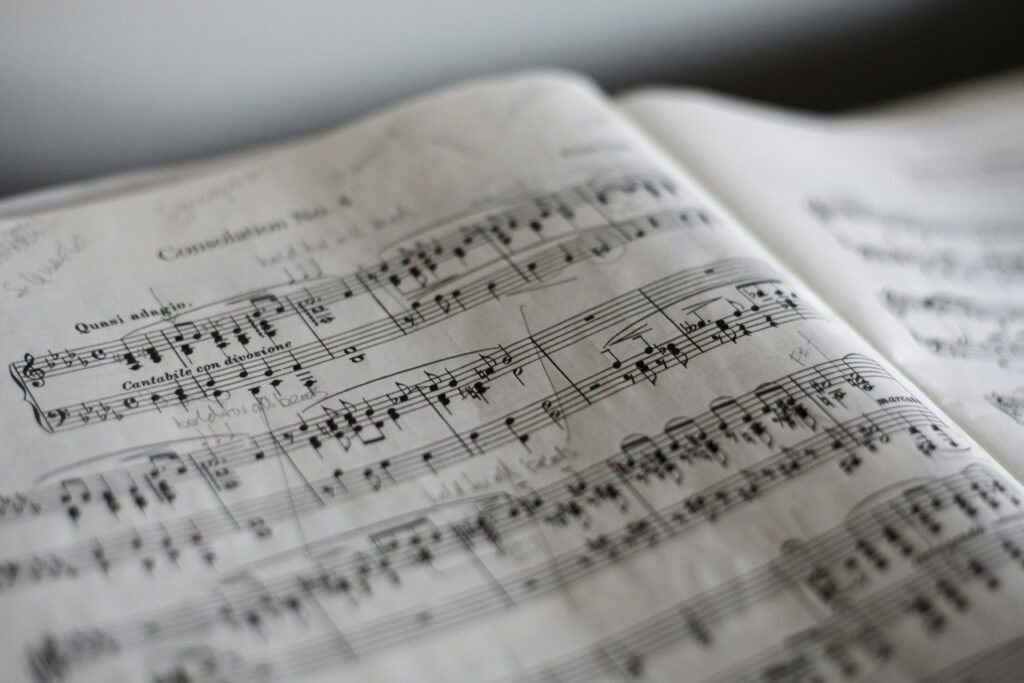
Exploring the Silent Language of Classical Music Notation

Music, in its purest form, is an ephemeral art, existing only in the moment of its performance. However, throughout history, musicians and composers have sought ways to capture these fleeting sounds, to preserve and communicate their ideas across time and space. The result of this endeavor is music notation—a silent language that serves as the bridge between a composer’s imagination and the performer’s realization. In classical music, notation is more than just a set of instructions; it is a complex system of symbols that conveys not only pitch and rhythm but also dynamics, expression, and interpretation. This article delves into
Exploring the Forms of Sonatas, Symphonies, and Concertos

Classical music encompasses a wide variety of forms and structures, each with its own unique characteristics and historical development. Among the most important and enduring forms are the sonata, symphony, and concerto. This article delves into these three forms, exploring their origins, key features, and notable examples. The Sonata: A Journey Through Musical Form The sonata is one of the most fundamental forms in Western classical music, serving as a blueprint for many compositions from the Baroque period to the present day. The term “sonata” derives from the Italian word “sonare,” meaning “to sound,” and originally referred to a piece