Articles for tag: analysiscanadaclassicalcriticshistoryimprovisationjazzjournalmagazinemontrealmusicnewsnewspaperreview

When Two Musical Worlds Clash and Create Something New

There’s a particular kind of magic that happens when a jazz musician finally understands that Bach was improvising all along. On Tuesday evening, December 02 2025, at Studio TD, pianist Paul Lay and his trio—Clemens van der Feen on double bass and Donald Kontomanou on drums—didn’t just perform Bach through a jazz lens. They made the case that these are actually the same thing. The Festival International Bach Montréal‘s decision to program a jazz trio might have seemed unconventional, yet it paid off. By trusting that Bach’s music could sustain multiple approaches, the festival acknowledged something essential: that tradition remains
Jazz and Classical Music Fusion – Exploring the Harmony

The worlds of jazz and classical music, though seemingly distinct, have intersected in remarkable ways throughout history. While classical music is often associated with structured compositions and centuries-old traditions, jazz is celebrated for its spontaneity, improvisation, and vibrant energy. Yet, these two genres have not only coexisted but have also influenced and enriched each other in profound ways. This article explores the fascinating intersection of jazz and classical music, tracing the roots of both genres, their early interactions, and the innovative fusion that continues to shape modern music. The Roots of Jazz and Classical Music Classical Music’s Foundations Classical music,

Rediscovering Ancient Music: From Gregorian Chants to Renaissance Polyphony

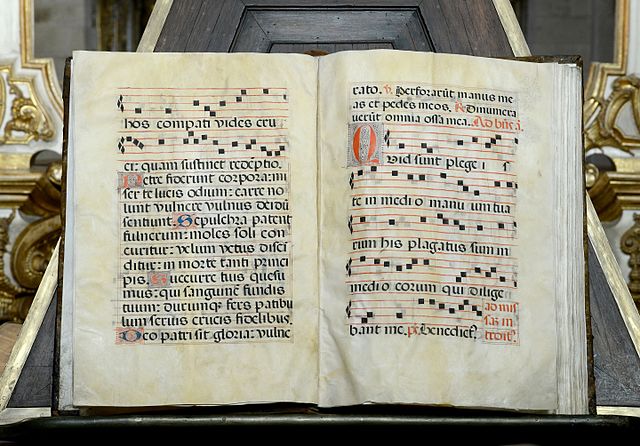
Music is often regarded as a universal language, a powerful medium that transcends time, space, and culture. In the rich tapestry of Western music, the roots run deep, tracing back to the sacred halls of medieval monasteries and the grand cathedrals of the Renaissance. The journey from the austere beauty of Gregorian Chants to the intricate harmonies of Renaissance Polyphony is not merely a progression in musical complexity but a reflection of profound shifts in religious, cultural, and artistic paradigms. This article delves into this fascinating transformation, uncovering the essence of ancient music and its lasting influence on the Western

Rethinking Classical Music Education for the 21st Century

Grace Kang, Royal College of Music, February 15, 2015 Classical music education has long been rooted in centuries-old traditions, emphasizing the works of composers like Bach, Mozart, and Beethoven. While these foundations are undoubtedly essential, the 21st century presents unique challenges and opportunities that call for a reevaluation of how we approach teaching classical music. In an era defined by rapid technological advancements, cultural shifts, and diverse musical landscapes, it is crucial to rethink classical music education to make it more relevant, inclusive, and accessible. Embracing Technology and Creativity in Music Education Technology has revolutionized nearly every aspect of our

How the Romantic Era Revolutionized Classical Music and Art

The Romantic Era, spanning from the late 18th to the early 19th century, was a period of profound transformation in the world of classical music and art. This article delves into the key characteristics, influential figures, and lasting impact of the Romantic movement, which sought to express deep emotion, individualism, and the sublime in its works. Origins and Characteristics of the Romantic Era The Romantic Era emerged as a reaction against the rationality and order of the Enlightenment and the Classical period that preceded it. Artists and composers of the Romantic period sought to break free from the constraints of

Exploring the Forms of Sonatas, Symphonies, and Concertos

Classical music encompasses a wide variety of forms and structures, each with its own unique characteristics and historical development. Among the most important and enduring forms are the sonata, symphony, and concerto. This article delves into these three forms, exploring their origins, key features, and notable examples. The Sonata: A Journey Through Musical Form The sonata is one of the most fundamental forms in Western classical music, serving as a blueprint for many compositions from the Baroque period to the present day. The term “sonata” derives from the Italian word “sonare,” meaning “to sound,” and originally referred to a piece

The Development of Opera from Monteverdi to Verdi

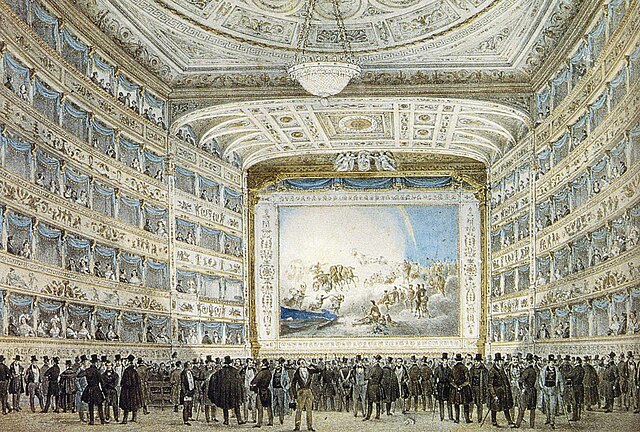
Opera, a vibrant and dynamic art form, has evolved significantly since its inception in the early 17th century. From the pioneering works of Claudio Monteverdi to the grand operas of Giuseppe Verdi, this article explores the development of opera, highlighting key composers, stylistic transformations, and the enduring legacy of this beloved genre. The Birth of Opera: Claudio Monteverdi Opera as an art form began to take shape during the late Renaissance and early Baroque periods. Claudio Monteverdi (1567-1643), often referred to as the father of opera, played a crucial role in this transformation. His innovative approach combined music, drama, and

Rediscovering Forgotten Composers: A Journey Through Obscure Classical Music Masters

Rediscovering Forgotten Composers: A Journey Through Obscure Classical Music Masters In the vast and renowned landscape of classical music, there exists a hidden trove of composers whose brilliance has been unjustly overshadowed by the titans of the genre. These forgotten masters deserve to be unearthed, their melodies and harmonies brought back to life for a new generation of music enthusiasts. Far too often, the classical canon focuses on the usual suspects – Beethoven, Mozart, Chopin, and the like. While their contributions are undeniably profound, there is a wealth of musical genius waiting to be rediscovered. From the intricate counterpoint of

An introduction to Handel’s Messiah: Unveiling Its Themes and Great Lasting Impact

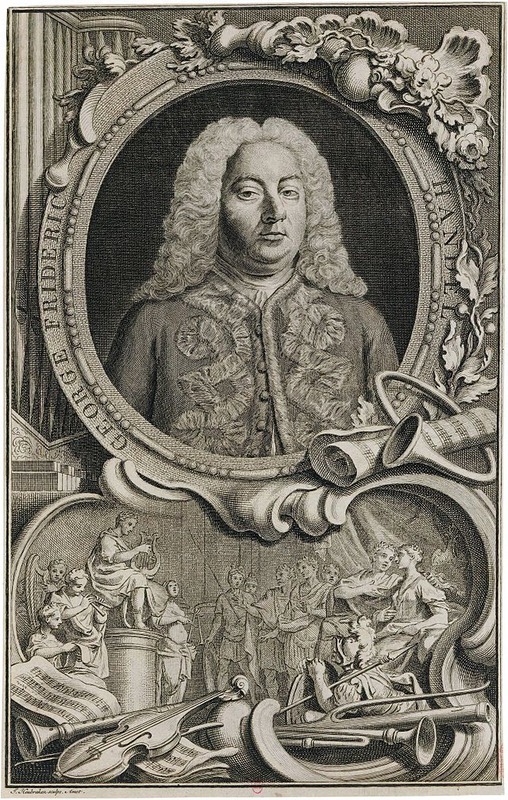
Handel’s Messiah stands as one of the most iconic and enduring works in the classical music canon. Composed in just 24 days, this masterpiece has captivated audiences for centuries with its majestic choruses, poignant arias, and profound theological themes. In this article, we delve into the intricacies of Handel’s Messiah, analyzing its structure, themes, and lasting impact on the world of music. Structure: Unraveling the Musical Tapestry Handel’s Messiah is structured into three parts, each representing a distinct phase of the Christian narrative: the prophecy and birth of Christ, the Passion and Resurrection, and the ultimate victory over sin and