Articles for tag: Classical Musicconductingcriticsmagazinemusic interpretationmusic newsorchestraorchestra conductorstechnique

The Power of Conducting: Beyond Just Waving a Baton

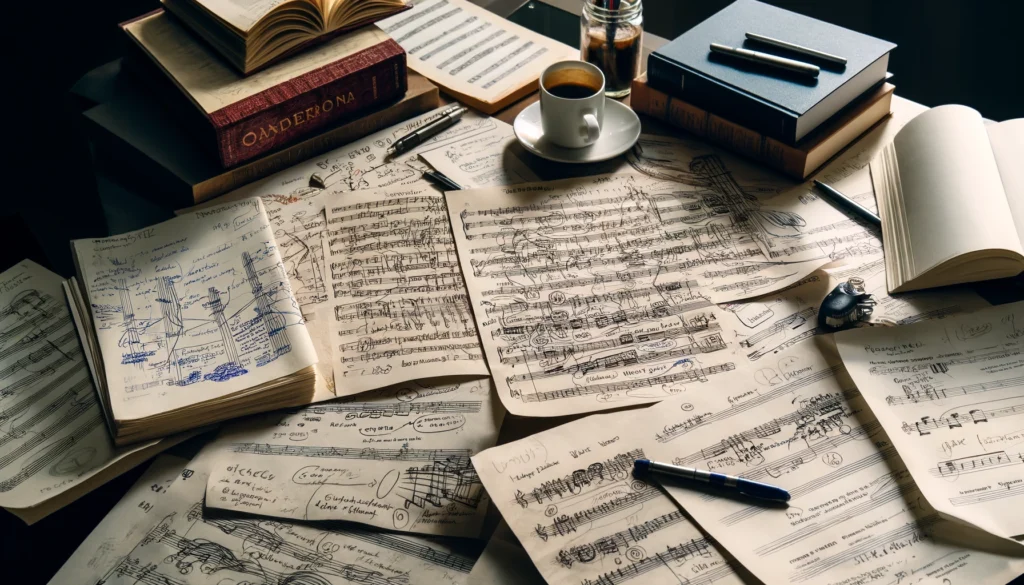
To the casual observer, the conductor of an orchestra might appear to be merely a figure standing in front of musicians, rhythmically waving a baton to keep time. However, the reality is far more complex. The conductor’s role is a blend of artistry, leadership, and deep musical understanding. Conducting is not just about keeping the ensemble in sync; it’s about interpreting the music, inspiring the musicians, and shaping the overall performance. This article explores the nuanced and multifaceted art of conducting, delving into its history, responsibilities, and the profound impact a conductor has on the music we hear. The History
The Key Traits of Baroque Music and its Composers

The Baroque period, spanning from approximately 1600 to 1750, was a time of dramatic innovation and creative flourishing in Western classical music. Characterized by its ornate style, emotional expressiveness, and technical virtuosity, Baroque music laid the foundation for many musical forms and conventions that followed. This article explores the key characteristics of Baroque music and highlights some of the most influential composers of the era. Characteristics of Baroque Music Baroque music is distinct for its stylistic and structural features, which reflect the period’s broader cultural and artistic trends. Some of the defining characteristics include: 1. Ornamentation: Baroque music is known

Exploring the Forms of Sonatas, Symphonies, and Concertos

Classical music encompasses a wide variety of forms and structures, each with its own unique characteristics and historical development. Among the most important and enduring forms are the sonata, symphony, and concerto. This article delves into these three forms, exploring their origins, key features, and notable examples. The Sonata: A Journey Through Musical Form The sonata is one of the most fundamental forms in Western classical music, serving as a blueprint for many compositions from the Baroque period to the present day. The term “sonata” derives from the Italian word “sonare,” meaning “to sound,” and originally referred to a piece