Articles for tag: Baroque MusicMusi HistoryMusic NotationMusic TheorySheet Music

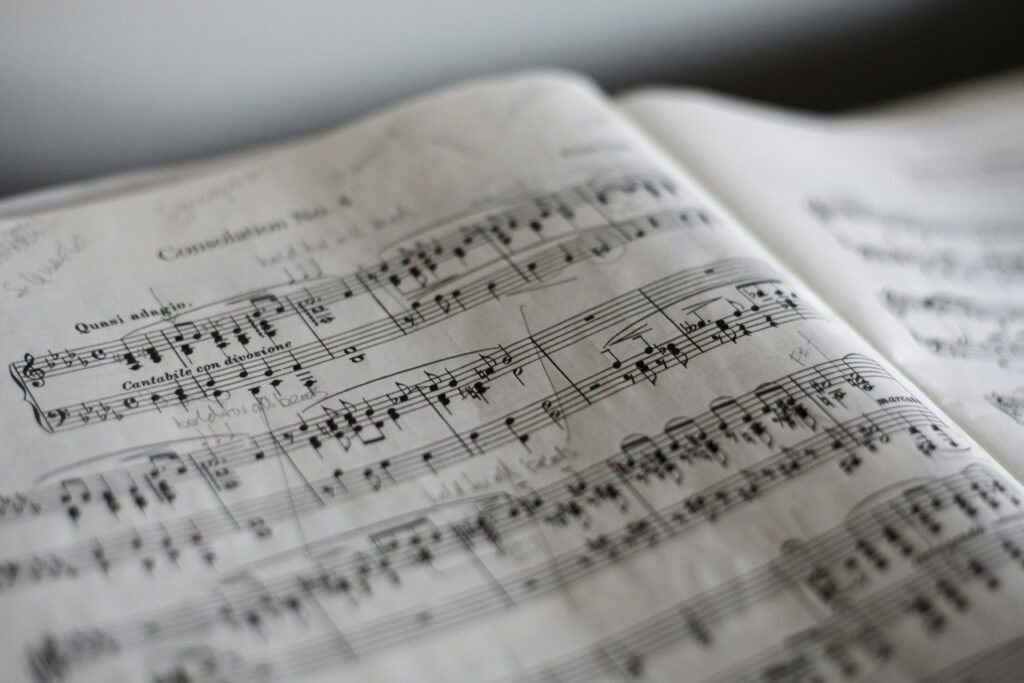
Exploring the Silent Language of Classical Music Notation

Music, in its purest form, is an ephemeral art, existing only in the moment of its performance. However, throughout history, musicians and composers have sought ways to capture these fleeting sounds, to preserve and communicate their ideas across time and space. The result of this endeavor is music notation—a silent language that serves as the bridge between a composer’s imagination and the performer’s realization. In classical music, notation is more than just a set of instructions; it is a complex system of symbols that conveys not only pitch and rhythm but also dynamics, expression, and interpretation. This article delves into
The Key Traits of Baroque Music and its Composers

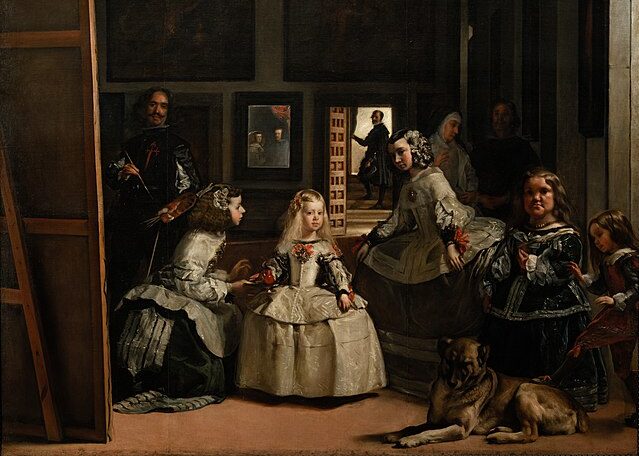
The Baroque period, spanning from approximately 1600 to 1750, was a time of dramatic innovation and creative flourishing in Western classical music. Characterized by its ornate style, emotional expressiveness, and technical virtuosity, Baroque music laid the foundation for many musical forms and conventions that followed. This article explores the key characteristics of Baroque music and highlights some of the most influential composers of the era. Characteristics of Baroque Music Baroque music is distinct for its stylistic and structural features, which reflect the period’s broader cultural and artistic trends. Some of the defining characteristics include: 1. Ornamentation: Baroque music is known